


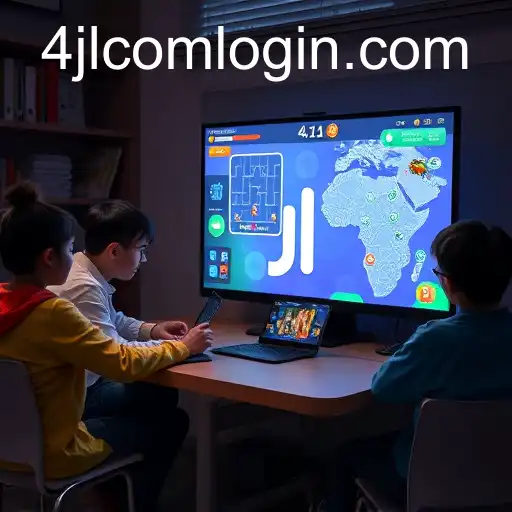
In recent years, platforms like the popular English gaming website '4jl' have become more than just a source of entertainment; they have started playing a significant role in education as well. In 2025, the integration of technology in classrooms is more pronounced than ever, with online games becoming a tool for both teaching and learning. These games are affecting educational dynamics by offering interactive and engaging ways to learn various subjects.
The rise of gamified learning has sparked discussions among educators, policymakers, and parents about its benefits and potential drawbacks. Online gaming websites, such as '4jl', provide a plethora of learning opportunities through strategy games, problem-solving tasks, and simulations that mirror real-life scenarios. These aspects not only enhance cognitive skills but also improve student engagement. With the increasing digitalization of education, games have evolved to become one of the primary methods for delivering content in an engaging way.
The role of online gaming in education is, however, not free from criticism. Some argue that excessive gaming can lead to addiction, impacting students' attention spans and reducing motivation for traditional learning methods. Despite this, proponents point out that with proper regulation and guidance from educators, online gaming can be harnessed effectively to complement traditional educational techniques.
'4jl' has implemented innovative strategies to collaborate with educational institutions, offering tailor-made games that align with curricular goals. This partnership aims to cultivate critical thinking, improve problem-solving abilities, and maintain a high level of engagement among students.
As we move forward, it is critical to balance technology use in education by integrating online games responsibly. Stakeholders must ensure that these platforms like '4jl' are used to their full potential, driving educational progress while mitigating risks associated with the digital era's rapid advancement.