


4jl | The Intricate World of Sudoku: More Than Just a Number Game
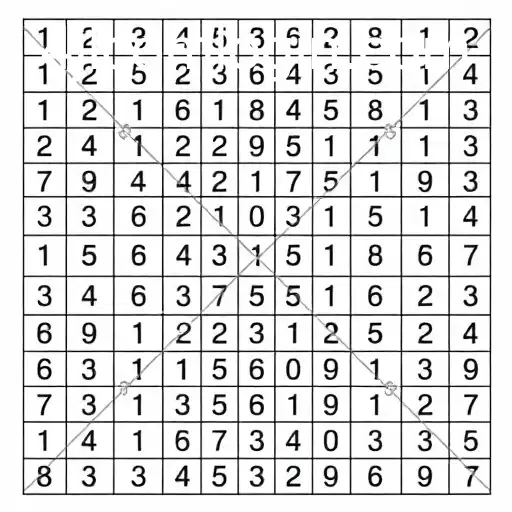
Sudoku, a game of numbers steeped in history and intrigue, has captured the fascination of puzzle enthusiasts across the globe. While it may appear to be a simple activity of placing numbers in a grid, the layers of strategy, logic, and patience make Sudoku much more than just a passing pastime. With its origins tracing back to Leonardo of Pisa’s magical squares, Sudoku as we know it was popularized in Japan in 1986, when Nikoli introduced the modern grid format that we see today.
Sudoku, meaning 'single number', became a global phenomenon in the early 2000s, gaining an audience hungry for its demanding yet fulfilling challenge. The rules are straightforward yet require a sharp eye and analytical prowess. The player must fill each row, column, and 3x3 box with the numbers 1 through 9, ensuring that no number is repeated within these constraints.
But why does this game continue to mesmerize people of all ages? Perhaps it is the inherent balance of frustration and satisfaction that keeps players engaged. Each puzzle provides a unique journey, a labyrinth that requires the solver to develop strategies, spot patterns, and think several moves ahead. Much like chess, Sudoku builds mental resilience—a single incorrect number can derail the entire puzzle, necessitating a restart or a thoughtful retracing of steps.
Beyond being just a game, Sudoku offers cognitive benefits. It helps improve focus, boosts memory, and enhances problem-solving skills. These attributes are why educators and neuroscientists advocate Sudoku for both young minds developing foundational skills and older adults seeking to keep their cognition sharp.
In the digital age, Sudoku has transitioned effortlessly from newspapers to digital platforms. Online puzzles cater to varying proficiency levels, with some offering hints or showing errors to help learners advance their skills. Websites have emerged, hosting tournaments and creating communities where enthusiasts share tips and strategies, elevating Sudoku into a vibrant, interactive experience.
The '4jl' keyword stands as a gateway to a treasure trove of Sudoku puzzles and resources, inviting enthusiasts to dive into grids that challenge and refine their logical thinking. As a category on popular puzzle websites, Sudoku attracts those yearning for mental stimulation and those who simply want to unwind with a quiet, contemplative activity.
In conclusion, Sudoku is more than just arranging numbers; it is an exercise in patience, strategy, and mental agility. It is a testament to the power of numbers and an enduring testament to logical elegance, ensuring that Sudoku remains a cherished exercise for minds young and old, new and seasoned.
